The Clock-Out Corner: A Home Office That Folds Away in a Rental

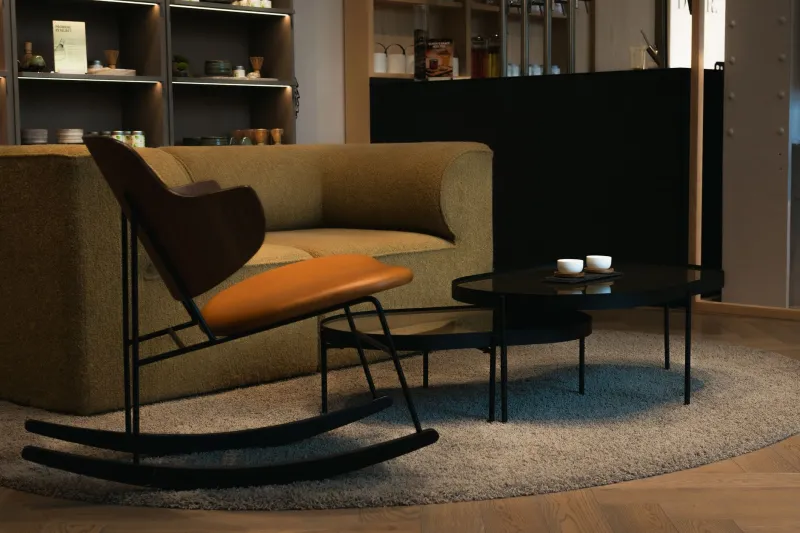
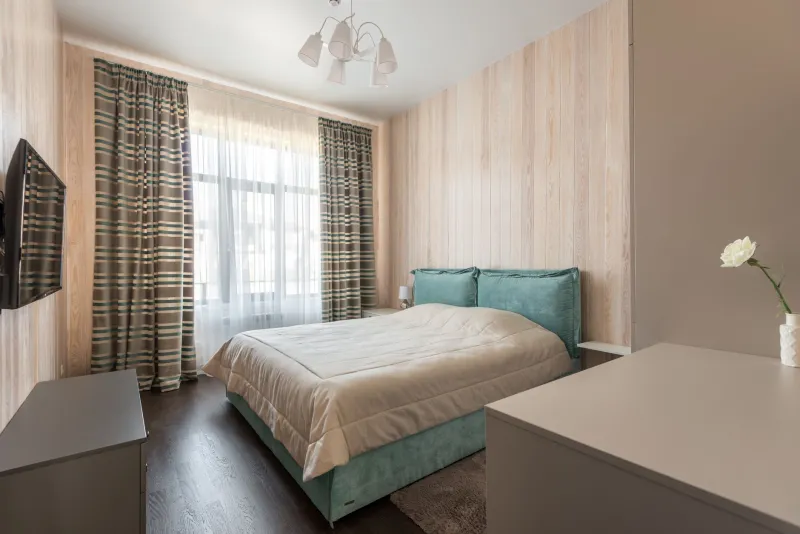
Photo: small rental home office corner with fold-down desk and stylish decor, via www.quoteradar.co.uk
Working from home in a rental often feels like a choice between two bad options: let the laptop take over the dining table, or cram a desk into a corner and pretend the pile of papers is decor. But a home office doesn't have to be a permanent guest. With a few renter-friendly moves, you can create a functional work zone that clocks out when you do—and leaves your living room looking like, well, a living room.
Start With a Zone, Not a Room
The biggest mistake renters make is trying to carve out an office without defining its edges. A desk floating in the middle of a room invites work to sprawl. Instead, pick a corner—near a window, beside a bookshelf, or tucked into an alcove—and give it boundaries.
A washable rug is your best friend here. It visually anchors the workspace and signals where work ends and life begins. If your rental has an open floor plan, a folding screen or a tall bookcase placed perpendicular to the wall can create a soft partition without drilling a single hole. Tension rods with curtains also work wonders in a pinch, especially if you want to hide the desk entirely during dinner parties.
The goal is simple: when you step off the rug, you're off the clock. That mental switch matters more than square footage.
Furniture That Leaves When You Do
A traditional desk is a commitment. A fold-down desk is a conversation. Look for wall-mounted drop-leaf desks that install with adhesive strips or tension hardware—no screws required. Gateleg tables work similarly: they open for your laptop and close into a slim console when the workday ends.
If your lease forbids wall mounting, a rolling cart or a slim console table on casters is a solid alternative. Park it in the corner during work hours, then wheel it into a closet or behind the sofa when you're done. Pair it with a folding chair that tucks behind a door or hangs on a hook.
Dual-purpose pieces pull double duty without looking like office furniture. A storage ottoman can hold files and serve as a seat. A bookshelf with baskets hides printer paper and cables. Even a stylish file box on a console table can pass for decor when work is over. The trick is choosing pieces that look intentional in both modes.
Hide the Wires, Keep the Charm
Cables are the tell-tale sign of a temporary office. They snake across floors, dangle from desks, and make even the most styled corner look chaotic. The fix doesn't require an electrician—just a little camouflage.
Start with adhesive cable raceways, which stick to walls and baseboards without damaging paint. Use velcro ties to bundle cords behind your desk, and a cable management box to hide power strips. If your desk has legs, an under-desk tray keeps wires off the floor and out of sight.
For a cleaner look, route cords along the back of furniture or behind a curtain. A decorative basket beside the desk can swallow chargers and adapters. And if you're using a rolling cart, a simple fabric cover or a shallow tray on the bottom shelf hides the mess in seconds.
The goal isn't perfection—it's plausible deniability. If a guest can't spot the router, you've won.
Light That Switches Jobs
Lighting sets the mood for work and for winding down, but most rentals come with one overhead fixture that does neither well. The solution is layered, portable lighting that shifts with your schedule.
During work hours, a focused task lamp with a cool or neutral bulb keeps you alert and reduces eye strain. Position it to the side of your laptop, opposite your dominant hand, to avoid shadows. When the workday ends, switch to a warm-toned table lamp or a dimmable floor lamp. Smart bulbs are renter-friendly and let you change color temperature with your phone—no rewiring needed.
If you want to go low-tech, a simple dimmer plug does the trick. The point is to create a visible shift: bright and directional for focus, soft and ambient for relaxation. Your brain will start to associate the change with clocking out.
The Five-Minute Reset Ritual
The magic of a disappearing office isn't in the furniture—it's in the routine. A five-minute evening reset makes the difference between a workspace that lingers and one that vanishes.
Start by clearing the desk surface completely. Laptop goes in a drawer or bag, papers go in a basket, pens go in a cup. Fold down the desk if you have one, or roll the cart into its hiding spot. Tuck the chair under or move it to another room. Turn off the task lamp and switch on the ambient light. Finally, toss a throw blanket over the desk or cart—it instantly reads as a console table, not a workstation.
Set a timer if you need to. Five minutes is enough. The ritual signals to your household (and your brain) that work is done, and it keeps the space guest-ready without a deep clean.
Renter-Safe Rules to Keep the Deposit
Before you buy anything, check your lease for restrictions on wall hangings and hardware. Adhesive strips are usually fine on painted walls, but avoid them on wallpaper or freshly painted surfaces. Tension rods are safe if used properly, but don't overtighten them on drywall. Freestanding screens and rolling furniture are your safest bets.
Also consider the weight of what you're hanging. A fold-down desk with a laptop is one thing; a shelf full of books is another. When in doubt, keep it freestanding.
Ultimately, a rental office is about flexibility. You're not building a permanent study—you're creating a corner that serves you during the day and steps aside at night. With the right zoning, furniture, and a five-minute reset, you can have both a productive workday and a stylish living room. And that's a balance worth decorating for.