Split the Lease, Not the Style: A Roommate's Guide to Decorating a Shared Rental

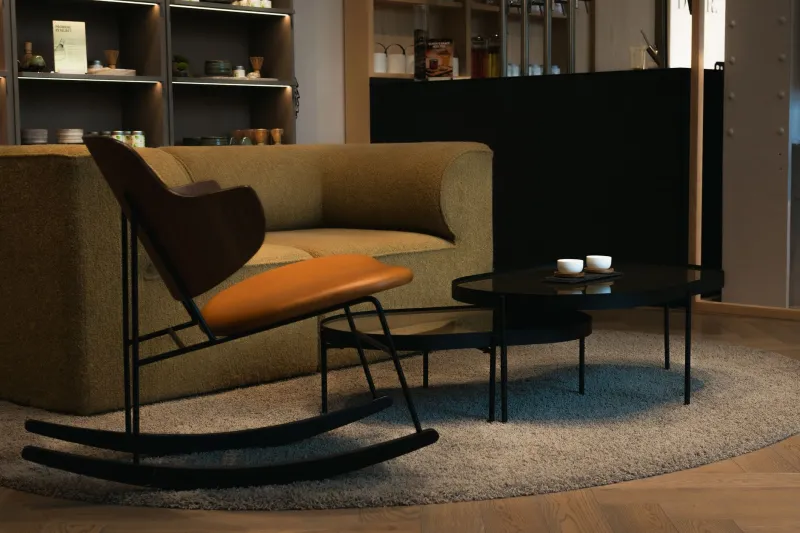
Photo by Photo by Vitaly Gariev on Unsplash on Unsplash
Moving in with a roommate is part logistics, part blind trust, and part experiment in applied diplomacy. You agree on rent, utilities, and who buys the good paper towels. Then someone unwraps a neon orange floor lamp, and the real work begins.
The good news: a shared rental can look intentional without turning your group chat into a design tribunal. You do not need matching taste. You need a shared set of rules, a few neutral anchors, and a written plan for the deposit. Think of it as a decorating treaty — less romantic than a mood board, far more useful.
Start With a Walk-Through, Not a Pinterest Board
Before anyone buys a single throw pillow, walk the apartment together with a notebook. Note the things you cannot change: wall color, flooring, light fixtures, the mysterious stain under the kitchen sink. These are your fixed points, and they should shape the conversation more than any screenshot you saved at midnight.
Ask three practical questions in that first walk-through. What does each person actually use the space for? Who works from home, who hosts friends, who needs a quiet corner? And what does the lease say about nails, paint, and wall anchors? A landlord in Chicago and one in Austin may have very different opinions about a gallery wall. Get the answer in writing before the drill comes out — ideally, before the drill is even purchased.
This is also the moment to talk budget honestly. Not just who pays for what, but what happens when one person wants a $400 rug and the other thought $80 was generous. A shared decorating fund, topped up monthly, prevents a lot of awkward math later.
Divide the Decisions (and the Dollars)
Trying to agree on every object is a recipe for exhaustion. Instead, split the apartment into zones and assign a lead for each. One person owns the living room layout, another handles the kitchen counters and entryway. A third zone — say, the bathroom — can be neutral territory with a strict no-permanent-changes rule.
The lead does not get total control. They get the first draft. The other roommate gets veto power on anything that feels like a dealbreaker, and both agree to use that veto sparingly. You are aiming for a home that feels collaborative, not a apartment-sized monument to one person's taste.
Money works the same way. Shared purchases come from the shared fund. Personal purchases stay personal, and they leave with the person who bought them. That $400 rug? If it came from the joint account, it stays unless you both agree otherwise. If it came from one roommate's paycheck, it is theirs to take when the lease ends.
Build Shared Zones Around Neutrals
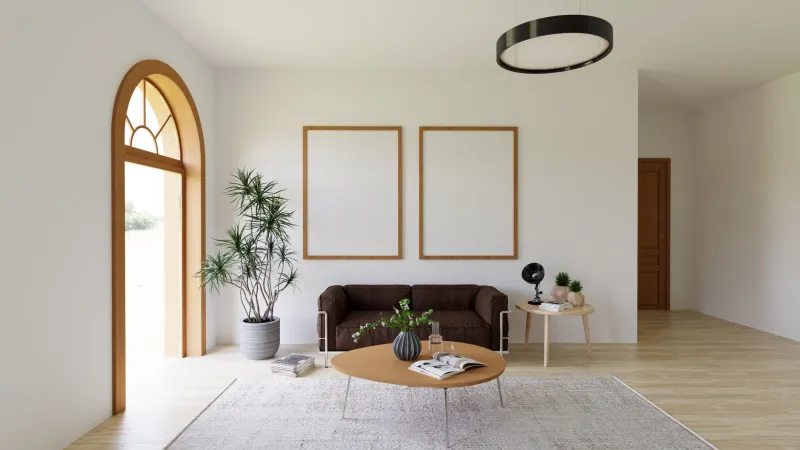
Here is the simplest design trick for two people with different styles: let the shared spaces be the calm part. Pick a neutral base — warm white, oatmeal, soft gray, a muted clay — and let the personal color live in bedrooms and smaller accents. A shared living room does not have to be beige and boring. It just needs a background that can handle a rotating cast of pillows, art, and plants without a full repaint.
Use texture instead of pattern for the big pieces. A nubby bouclé sofa, a woven jute rug, and linen curtains read as designed without committing to a specific aesthetic. Then each roommate can add a personal layer: a framed poster, a ceramic lamp, a stack of books. When one person moves out, the neutral bones stay and the personality lifts out cleanly.
Renter-safe upgrades do most of the heavy lifting here. Command strips, tension rods, freestanding shelving, plug-in sconces, and removable wallpaper panels can transform a shared room without touching the walls. Choose pieces that can move with either tenant, not pieces that only work in this exact apartment.
Make Deposit Accountability Boring and Written Down
Most roommate decorating conflicts are not really about taste. They are about money and blame. Settle both before the first picture hook goes in.
Create a shared document — a note, a spreadsheet, a group chat pinned post — that lists every permanent-ish change, who approved it, and how it will be reversed at move-out. Include the cost of reversal. A wall of removable wallpaper sounds harmless until someone has to spend a Saturday scraping adhesive off drywall.
Agree on a deposit split that reflects reality. If one person is on the lease and the other is a subletter, the leaseholder carries more risk. Write down who is responsible for patching nail holes, who is repainting the accent wall, and who is paying for the professional clean. This is not distrust. It is the opposite: it is how you stay friends after the moving truck pulls away.
When Tastes Collide, Rotate Instead of Renovate
You will disagree. Maybe about the sofa color, maybe about whether a taxidermy fish counts as art. When that happens, resist the urge to renovate your way out of it. Rotate instead.
Rotating means swapping smaller items rather than replacing big ones. If one roommate loves maximalist patterns and the other wants minimal calm, give each person one shelf, one wall section, or one corner to style their way. The rest of the room stays neutral. You can also rotate seasonally: bold throw pillows in summer, quieter textures in winter. The room changes without anyone losing face.
For furniture, buy pieces that are easy to move and easy to sell. A lightweight sofa, a nesting coffee table, a bookcase that disassembles. Avoid built-ins, heavy mirrors that require anchors, and anything that only works in one specific corner.
The Move-Out Test
Before you buy anything for a shared rental, ask one question: can this leave with one of us without damaging the apartment or the friendship? If the answer is no, it is probably not worth the argument.
The best shared rentals are not the ones where everyone has identical taste. They are the ones where the rules are clear, the deposit is protected, and each person has a corner that feels like theirs. Decorate the shared spaces for calm. Save the wild stuff for your own room. And keep the receipts.