The Peel-Back Plan: A 2026 Wallpaper Strategy for Lease-Friendly Rooms
Begin With a Wall Test, Not a Mood Board
Removable wallpaper has grown up. In 2026, the peel-and-stick aisle is full of convincing textures, bold murals, and quiet little prints that look custom until you peel them off. But the wall has a vote. Before you order six rolls of terracotta checkerboard, test a 12-inch square in an inconspicuous spot. Wait at least 48 hours, ideally a full week, and watch for curling edges, bubbling, or paint lifting when you remove it.
Know your finish. Matte latex and eggshell usually play nice with low-tack peel-and-stick. Semi-gloss and gloss can be slick enough that the paper slides or releases too easily. Fresh paint needs about 30 days to cure. Plaster, textured walls, and old wallpaper are riskier. If painter's tape pulls away a little paint when you remove it, that wall is telling you no.
Clean the surface with mild soap and water, rinse, and let it dry completely. Skip chemical degreasers unless the manufacturer says otherwise. A clean, dry, cured wall is the whole game.
Humidity Is the Real Judge
Bathrooms and kitchens are where wallpaper goes to test its résumé. Look for vinyl or moisture-resistant peel-and-stick with a low-tack adhesive. Traditional removable wallpaper, the kind applied with paste, can work in a powder room, but it is usually overkill near a shower. Avoid paper-based products in splash zones. Run the exhaust fan during and after installation, and do not wallpaper inside a shower or directly behind a stove.
For a kitchen, think small panels on the side of a cabinet or a tucked-away coffee nook, not the wall behind the cooktop. Grease and steam are not decorative. In a bathroom, a vanity wall can handle a moisture-rated product if the room ventilates well. A wall opposite the shower is safer than the wall beside it.
Room-by-Room Difficulty, Easiest to Hardest
This ranking is based on wall size, moisture, outlets, furniture, and removal risk.
- Closet interiors and bookcase backs. Small, flat, low-stakes. If something goes wrong, nobody sees it. This is where you learn the product.
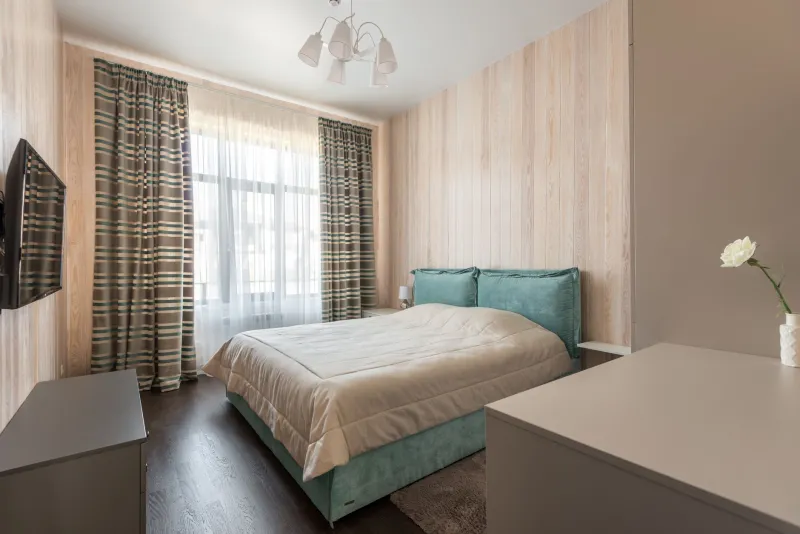
- Bedroom accent walls. Usually flat, manageable, and easy to keep dry. Move the bed, test the wall, and work in vertical strips.
- Living room walls. Bigger surface, more outlets, and more furniture to shift. Recruit a friend for the top corners.
- Kitchen nooks and cabinet sides. Humidity, grease, and tight corners make this a medium-risk project. Use small panels and a moisture-rated product.
- Bathroom vanity walls. Tight spaces, mirrors, moisture, and plumbing cuts make this the boss level. If you are new to removable wallpaper, save it for year two.
Three Budget Tiers That Actually Make Sense
Under $50: samples, a single roll for a closet, or a small panel above a desk. This tier is for testing texture and color in your actual light.
$50 to $150: standard peel-and-stick for a small accent wall or a pair of cabinet sides. Spend part of the budget on a proper smoother and a sharp craft knife. Cheap tools show up in the finished edges.
$150 to $300: premium removable wallpaper, wider rolls, or a paste-based traditional removable product for a larger bedroom wall. At this level, order one extra roll. Dye lots vary, and a patch kit is cheaper than a second shipment.
Removing Panels Without Taking Paint With Them
Warm the adhesive with a hairdryer on low, then pull slowly at a 45-degree angle. Work from a top corner and let gravity help. Stop immediately if paint starts to lift. For paste-based removable wallpaper, follow the manufacturer's soaking and removal instructions exactly. Use a plastic scraper, not a metal one. Remove residue with warm water and a microfiber cloth, and test any cleaner in a corner first.
Do not rush removal on a hot afternoon or a freezing morning. Room temperature is your friend. If a panel fights you, warm it a little more and go slower. The deposit is won in the last five minutes of patience.
The Polite Landlord Script
Send this before you buy, not after the boxes arrive:
Hi [Landlord or Property Manager], I'm planning a temporary wallpaper treatment in [room]. It's a removable, low-tack product, and I'll test it on a small area first. I'll follow the manufacturer's removal instructions and restore the wall before move-out. Could you confirm whether that's okay, or if there's a preferred product or wall finish I should avoid? Happy to share the product link. Thanks, [Your Name].
That note does two things: it shows respect for the property, and it gives you a paper trail if the wall turns out to be temperamental. In 2026, a calm email is still the best renter's tool in the box.
Final Peel
Removable wallpaper works best when you treat it like a small renovation, not a craft project. Test first, choose the right product for the room, and plan the removal before the installation. Do that, and your rental gets the pattern without the permission slip drama.