The Roll-Up Floor Plan: Zoning a Rental With Rugs That Move Out With You
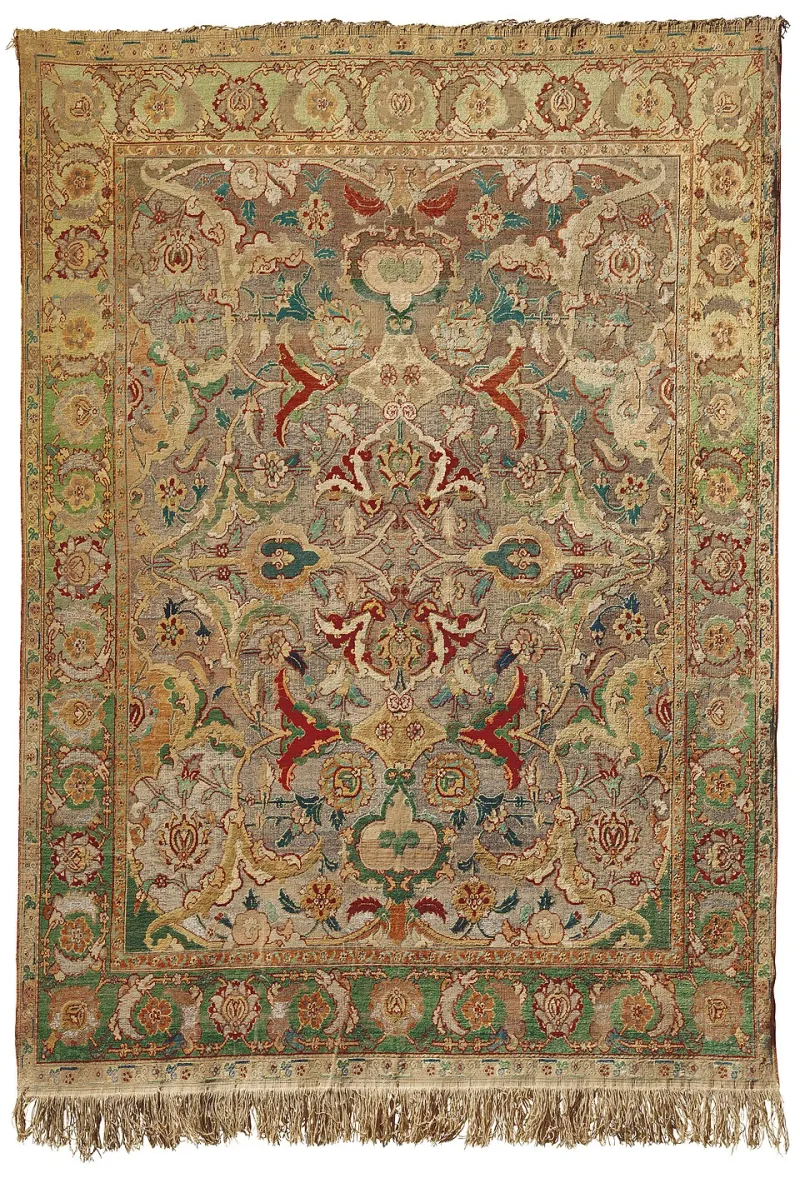
Photo: Christies.com, Public domain, via Wikimedia Commons
Area rugs get treated like decoration, but in a rental they are closer to furniture. They tell you where the living room stops and the dining room starts, they soften a builder-grade floor that was never meant to be noticed, and they protect the surface underneath from the daily traffic that lease inspections love to find. Best of all, when the lease ends, they leave with you.
Think of it as a roll-up floor plan: a way to zone a rental without walls, nails, or anything that requires a repair estimate. The goal is not to cover every inch of flooring. It is to make each part of the apartment feel intentional, keep the landlord's floors in decent shape, and avoid spending money on a rug that will not fit the next place.
Start With the Room, Not the Rug
Before you shop, sketch your rental's floor plan and mark the zones you actually use. Most apartments have at least three: a lounge area, a dining or work corner, and a transition space near the entry. A rug should support one of those zones, not compete with all of them.
In an open living-dining space, one giant rug can make the whole room feel like a furniture showroom. Two smaller rugs often work better. A living-room rug anchors the sofa and chairs; a dining rug sits under the table and chairs, with enough room for seats to slide out without catching the edge. If the zones are close together, keep an easy walkway between them rather than letting the rugs touch.
For a studio or a long railroad apartment, use rugs to create visual breaks. A runner near the kitchen edge can suggest a hallway. A square rug under a small table can define a work-from-home corner without blocking the path to the bathroom. The point is not to fake walls. It is to give the eye a place to land.
Sizing Rules That Save You From the Postage-Stamp Look
The most common rental rug mistake is buying too small. A rug that floats in the middle of the room makes furniture look stranded, and it fails to protect the floor where people actually walk. In a living room, aim for a rug that reaches under the front legs of the sofa and chairs. In a larger room, go bigger so all the main seating sits on the rug. That is the difference between a rug that defines a zone and a rug that looks like a bath mat with ambitions.
For a dining area, measure the table and add at least 24 inches on each side. That gives chairs room to pull out without tipping off the edge. For a bedroom, a rug that extends several feet beyond the sides of the bed feels more generous than a small mat at the foot. If the room is tight, a runner along one side of the bed can do more than a too-small rectangle shoved underneath.
Before you buy, measure door swings, closet doors, and the path to the bathroom. A thick rug can catch on a door, and a long runner can turn a narrow hallway into an obstacle course. Renter-safe design is not just about the floor. It is about how the room moves.
Protect the Floor Without Gluing Anything Down
Builder-grade flooring shows everything: scuffs, dents, pet accidents, and the ghost of a cheap rug pad. The right rug setup can prevent a lot of that. Start with a proper rug pad. A felt-and-rubber pad adds cushion, reduces slipping, and helps keep grit from grinding into the floor. For hard floors, look for a pad labeled safe for vinyl, laminate, or hardwood. Avoid anything with adhesive backing that claims to grip the floor directly.
If a rug still slides, use corner grippers or a non-slip pad rather than double-sided tape. Tape can leave residue, especially on warm floors near windows or radiators. For high-traffic edges, place a low, flat basket or a piece of furniture at the corner to keep the rug in place. Furniture legs with felt pads also help. They protect the floor and reduce the chance that a chair drags the rug out of alignment.
Under dining tables, a pad is especially important. Chairs slide in and out dozens of times a week, and a rug that bunches at the edge becomes a trip hazard. A flat-weave rug with a thin pad is often easier to live with than a deep shag that grabs chair legs.
Hide the Worn Patches, Not the Problem
Rugs are excellent at covering cosmetic floor issues: a faded patch near a window, a few scuffs from a previous tenant, or a seam that catches the light. They are not a fix for water damage, loose tiles, or a soft spot in the floor. If the issue is structural, tell the landlord. A rug can hide a stain; it cannot hide a liability.
For mild wear, use the rug as part of a broader floor strategy. A runner in the kitchen can distract from worn vinyl near the sink. A round rug under a reading chair can pull attention away from a scratched patch by the wall. Just avoid placing a rug over a damp area or a recently cleaned carpet. You want airflow, not a trap for moisture.
Layer Patterns Like You Mean It
Layering rugs is a renter-friendly way to add personality without committing to wallpaper or paint. The safest approach is to keep one rug quiet and let the other do the talking. A solid jute or flat-weave base with a smaller patterned rug on top can define a seating area without overwhelming the room. In a bedroom, a faded vintage-style rug under a modern bed frame can make a basic rental feel collected rather than furnished.
Pattern mixing works best when the scales are different. A large geometric print paired with a small stripe or a subtle floral feels intentional. Two busy patterns in the same scale tend to fight. If you are unsure, repeat one color from the room in the rug and keep the rest neutral. That gives the eye a resting point.
Make Moving Day Easier
A rug you love is a moving-day asset, not a sunk cost. Before you buy, think about your next rental. A neutral 5-by-8 rug can work in a living room, a bedroom, or a dining nook. A long runner is useful in almost any hallway. A giant custom-sized rug is harder to move and harder to fit into a different floor plan.
When you pack, roll rugs rather than folding them. Folds can create creases that take weeks to relax. Vacuum both sides, let them dry completely, and store them with a little breathing room. Label the roll with the room it was used in. Your future self will appreciate the note.
In a rental, style is often about making smart moves that survive the lease. Rugs do that better than almost anything else. They define zones, protect the floor, and leave no trace when it is time to go. Roll them out, live on them, and take them with you.