The Deposit-Safe Host: Throwing a Grown-Up Gathering in a Rental Living Room
A rental living room can hold a beautiful dinner for eight, a bridal shower for twelve, or a birthday toast for twenty—if you plan like a host and think like a tenant. The goal is not to hide the party from your landlord. It is to host in a way that leaves the apartment exactly as you found it, only with better memories and maybe one fewer scuff.
This guide is practical, not legal advice. Your lease, local rules, and building policies are the final word. But these are the moves that make a rental gathering feel intentional without turning your security deposit into a negotiation.
Read the lease before you set the table
Start with the boring pages. Look for occupancy limits, quiet hours, guest rules, commercial-event restrictions, insurance requirements, common-area rules, parking, and trash policies. If a clause is vague, ask your landlord in writing. A quick email—'I'm planning a seated dinner for ten adults on a Saturday. Does that fit the guest policy?'—creates a paper trail and prevents surprises.
Do not assume that 'no parties' means 'no people.' Many leases target loud, large, or commercial events. But do not assume the opposite either. If you plan to exceed the stated guest limit or use a shared space, get written approval first.
Map the room like a small venue
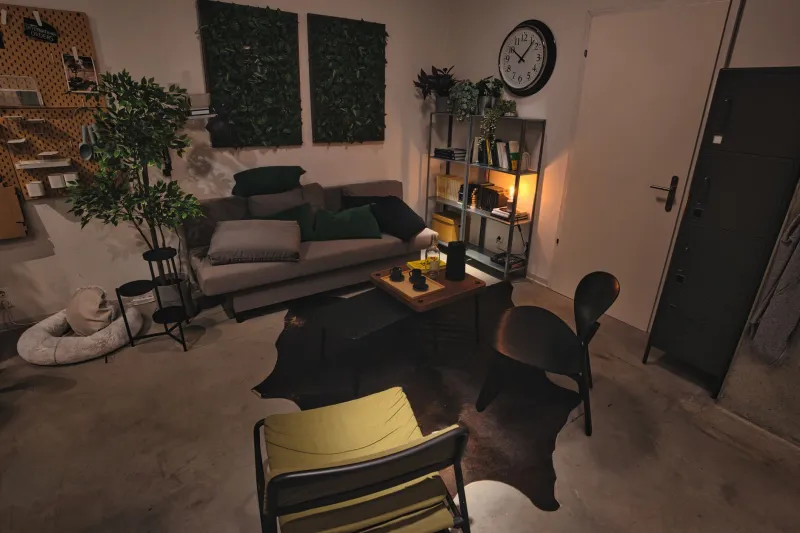
Clear a path before you style anything. Remove bulky furniture, create a obvious route to the bathroom, and keep exits, radiators, and electrical panels unobstructed. Aim for generous walkways between seating and food tables—people carrying plates need more room than people watching television.
Set up zones: a drinks station away from the door, a food table where guests can serve themselves, a coat drop, and a clear trash and recycling spot. Borrow folding chairs or a bench instead of cramming in furniture. If the room is small, seat fewer people and let the gathering spill into a standing cocktail format rather than blocking every path.
Light it like a room, not a rental
Overhead lighting can make even a well-decorated rental feel like a fluorescent office. Layer floor lamps, table lamps, and battery-powered puck lights instead. Put lamps on smart plugs so you can lower the room's brightness without rewiring anything. Flameless candles are safer than open flames and usually look better than a scented jar candle under a ceiling fan.
Keep cords out of walkways. Use cord covers or route cables along walls. Do not tape cords to painted surfaces, and do not hang anything from ceiling fixtures. If your lease bans open flames, follow it—one candle is not worth a deposit dispute.
Choose temporary decor with an exit plan
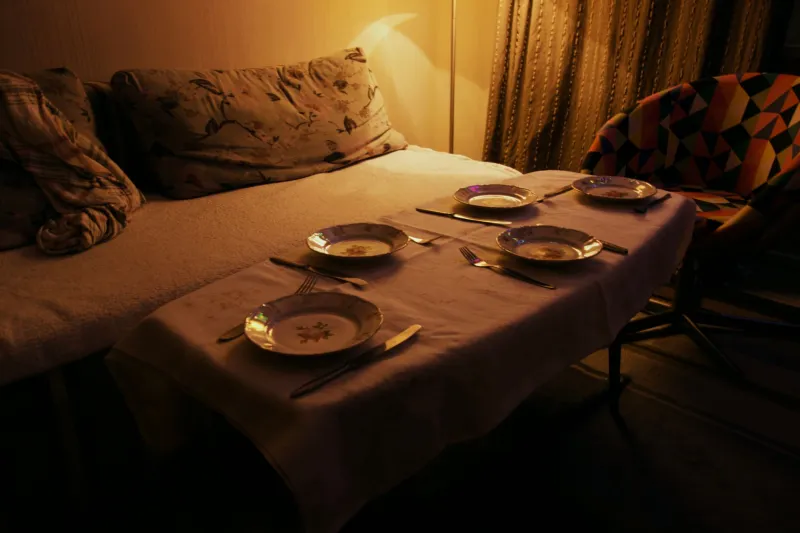
Table linens, slipcovers, and a freestanding screen can change a room's whole personality without touching the walls. Use a tension rod for a fabric backdrop, or lean a large piece of art instead of hanging it. Damage-free hanging strips can work on smooth, clean surfaces, but test one in a closet first and follow the weight limit.
Skip confetti, glitter, tacks, and tape on paint. Protect wood floors with rugs or mats, use coasters and trays, and keep red wine and dark berries away from light upholstery. Rent glassware or use your own mismatched collection—it looks more personal anyway. A basket of hand towels in the bathroom is a small touch that saves your deposit from a very wet evening.
Do the neighbor math
Count every guest, including you and anyone helping host. Check your lease and local fire rules for occupancy limits, and stay under them. Give neighbors a heads-up if you live in a building with shared walls. Move speakers away from shared walls, keep the bass low, and set a firm end time that respects quiet hours.
Rugs, curtains, and soft furniture absorb sound more than bare floors do. Ask guests to leave quietly, and plan a trash run before the night gets late. If someone offers to bring a plus-one you did not plan for, be honest about the space and the limit.
Check insurance and protect the deposit
Review your renters insurance before hosting. Most policies cover personal liability, but some exclude business or for-profit events. If you are charging admission or hosting a work event, ask your insurer whether you need extra coverage. Photograph the room before and after, keep a cleanup kit handy, and return furniture to its original spot the same weekend.
Sample lease clauses to check
Read these closely—and ask questions if any apply to your plans:
- 'Occupancy shall not exceed [number] persons.'
- 'Tenant shall not use the premises for commercial or for-profit events.'
- 'Quiet hours are 10 p.m. to 8 a.m.'
- 'No nails, screws, or adhesive hooks on painted surfaces.'
- 'Tenant is responsible for damage caused by guests.'
- 'Renters insurance with liability coverage of at least $100,000 is required.'
- 'Common areas, roof, and courtyard may not be reserved for private events without written approval.'
- 'Open flames, including candles, are prohibited.'
If a clause says no parties, ask whether a seated dinner counts. If it says no adhesive hooks, do not test your luck on the living room wall. If it requires insurance, send the certificate before the event. Written approval is not red tape—it is the difference between a fun story and a deposit deduction.
The 48-hour reset
Before the gathering, clear valuables, test your adhesives, set the guest cap, and move anything fragile out of traffic paths. During the event, use trays, coasters, trash bins, and a bathroom basket. Afterward, inspect every room, wipe surfaces, air out the space, and put furniture back. Do not patch, paint, or repair anything unless your lease tells you to.
A great rental gathering is not about pretending you own the place. It is about using temporary tools, honest guest lists, and a little neighborly common sense. Done right, the only thing your landlord notices is that the apartment looks exactly the same—and that you somehow made it feel like a venue for the night.