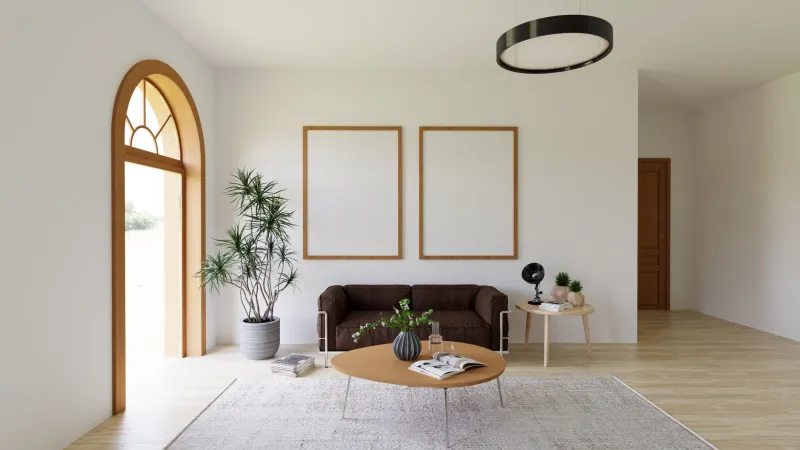
Borrowed Bones: Seven Renter-Safe Ways to Fake Architectural Character
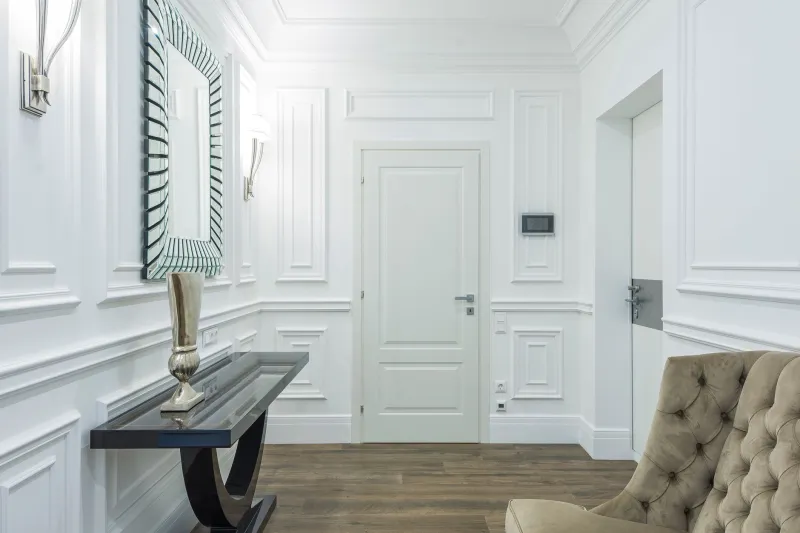
Some rentals have good bones. Others have a beige box, a landlord-special light fixture, and a lease that forbids pretty much everything. The gap between those two realities is where the renter-safe architectural illusion lives. You cannot add a real archway or install crown molding in a weekend, but you can borrow the visual language of architecture—height, rhythm, depth, and shadow—with removable materials. The trick is knowing which products actually hold up, which walls they should never touch, and how to take them down without leaving a deposit-shaped scar.
This is not a list of craft projects. It is a room-by-room strategy for making a rental read as more custom than it is.
First, the Lease-Safe Reality Check
Before any product goes on a wall, do a test patch in a hidden spot: behind a door, inside a closet, or low on a wall behind furniture. Wait the full cure time, then remove the adhesive slowly. If paint comes with it, stop. Textured walls, fresh paint under 30 days old, and high-humidity bathrooms are the usual suspects for failure. Removable does not mean risk-free. It means the risk is manageable if you test first.
1. Peel-and-Stick Molding Kits for Instant Height
A prewar one-bedroom in Chicago might have picture rails and deep baseboards. A 1990s suburban rental house in Raleigh often has neither. Peel-and-stick molding kits—usually lightweight foam or PVC—can fake a picture rail, a simple crown, or a paneled wainscot. In a living room, run a horizontal rail at about two-thirds the height of the wall and hang art from it with removable hooks. The rail creates a visual break and makes the ceiling feel higher.
Material warning: foam dents and PVC is heavier. Both need a clean, dust-free surface. Avoid kits that require construction adhesive unless your lease explicitly allows it. Move-out note: warm the strip with a hair dryer on low, peel slowly, and keep the original packaging for storage.
2. Removable Wallpaper as Faux Paneling
Beadboard-pattern wallpaper can turn a plain dining room or bedroom wall into something that reads as paneled without a single nail. Choose a large-scale pattern and install it on one accent wall, not every wall. In a rental house with a long, blank hallway, a removable mural or paneled wallpaper can act like a built-in architectural feature.
Material warning: wallpaper is most likely to fail on textured drywall, freshly painted walls, and in bathrooms with poor ventilation. Test a strip near an outlet or behind a curtain first. Move-out note: remove from the top down, not the bottom up, and never rush a removable wallpaper removal on a hot day when the adhesive is soft.
3. Arch Decals and Faux Niches
Arches are having a moment, but most renters cannot cut one into a wall. Removable arch decals can create the outline of a doorway, a niche, or a headboard shape in an entryway or bedroom. In a hallway, a large arch decal behind a console table suggests architecture where there is only drywall. In a bedroom, a half-arch above the bed can stand in for a headboard.
Material warning: vinyl decals can lift paint if the wall was painted recently or if the decal sits in direct sun. Avoid them on matte or flat paint, which tends to grab adhesive. Move-out note: remove slowly and keep the backing paper so you can re-store the decal if you move.
4. Lightweight Ceiling Medallions and Cornice Boxes
A dining room feels more formal with a ceiling medallion around the light fixture. Renter-safe versions are lightweight foam or plastic and attach with damage-free adhesive strips or a tension-mounted ring, depending on the product. A cornice box—a fabric-wrapped valance—can also fake the depth of a ceiling treatment without touching the ceiling.
Material warning: never hang anything heavy over a bed or seating area with adhesive alone. Check the weight limit and use a second mechanical backup if the product allows it. Move-out note: ceiling adhesive can leave residue in warm rooms, so remove it before the summer heat sets in.
5. Freestanding Faux Built-Ins
Built-in bookcases are the ultimate rental fantasy. A close second is a pair of matching bookcases flanking a window or sofa, with trim panels added to the front to make them look fitted. Use freestanding bookcases and a tension rod or removable panel system to create the illusion of a built-in wall. In a living room, this can define a reading nook without construction.
Material warning: bookcases must be anchored for safety, but anchoring often means a hole. Use anti-tip straps that attach to the wall with removable adhesive only if the manufacturer approves it. Otherwise, keep the bookcases low, stable, and out of traffic paths. Move-out note: label the trim panels and keep the hardware in a bag taped to the back of each bookcase.
6. Faux Beams and Corbels
Hollow foam beams can add rustic or cottage character to a bedroom or living room ceiling, but they are the highest-risk item on this list. They are light, which helps, but ceiling adhesion is unforgiving. In a rental house with a flat, painted ceiling, a lightweight beam can work if the product is designed for temporary installation and you use the recommended adhesive. In an apartment with textured ceilings, skip it.
Material warning: heat rises. A ceiling beam held by adhesive can soften and fail in a warm room. Move-out note: remove before turning on the heat for the season, and inspect the adhesive monthly.
7. Slipcovered Mantels and Faux Fireplaces
A faux fireplace surround can give a living room a focal point without a chimney. Renter-friendly mantel covers and freestanding surrounds are available in lightweight materials and can be styled with leaning art, candlesticks, and a basket of books. This is less about architecture and more about suggesting it.
Material warning: keep faux mantels away from real heat sources and never place candles directly on or near them. Move-out note: disassemble and photograph the wall behind it before you move, just in case adhesive residue needs attention.
Room-by-Room Showcase
In a living room, layer a picture rail, a leaning mirror, and a freestanding faux built-in. In a bedroom, use an arch decal or a half-arch headboard shape and keep the rest of the wall calm. In a dining room, a ceiling medallion and a beadboard-pattern accent wall do most of the work. In an entry, a narrow console with a large arch decal behind it creates the feeling of a niche without a single nail.
Material Warnings That Save Deposits
Adhesive residue is the enemy. Heat, humidity, and fresh paint make it worse. Foam products are light but fragile. PVC is sturdier but heavier. Vinyl decals are thin but can lift paint. Fabric-based paneling is forgiving but can sag. Read the weight limits and cure times. If a product says permanent, believe it.
Move-Out Considerations
Photograph every wall before installation and after removal. Keep original packaging and instructions. Remove adhesives with slow, steady pressure and low heat, not pulling. Clean residue with the manufacturer-recommended remover, not acetone. If a product failed a test patch, do not install it just because you are impatient.
The goal is not to fool anyone into thinking your rental is a brownstone. The goal is to give the room enough architecture to feel deliberate. Borrow the bones, keep the lease intact, and take the details with you when you go.